Speakers

Speakers will provide a variety of perspectives from different academic and professional backgrounds. This page provides information about presenters. For details of presentations and other programming, please visit the Programme page.


To be announced

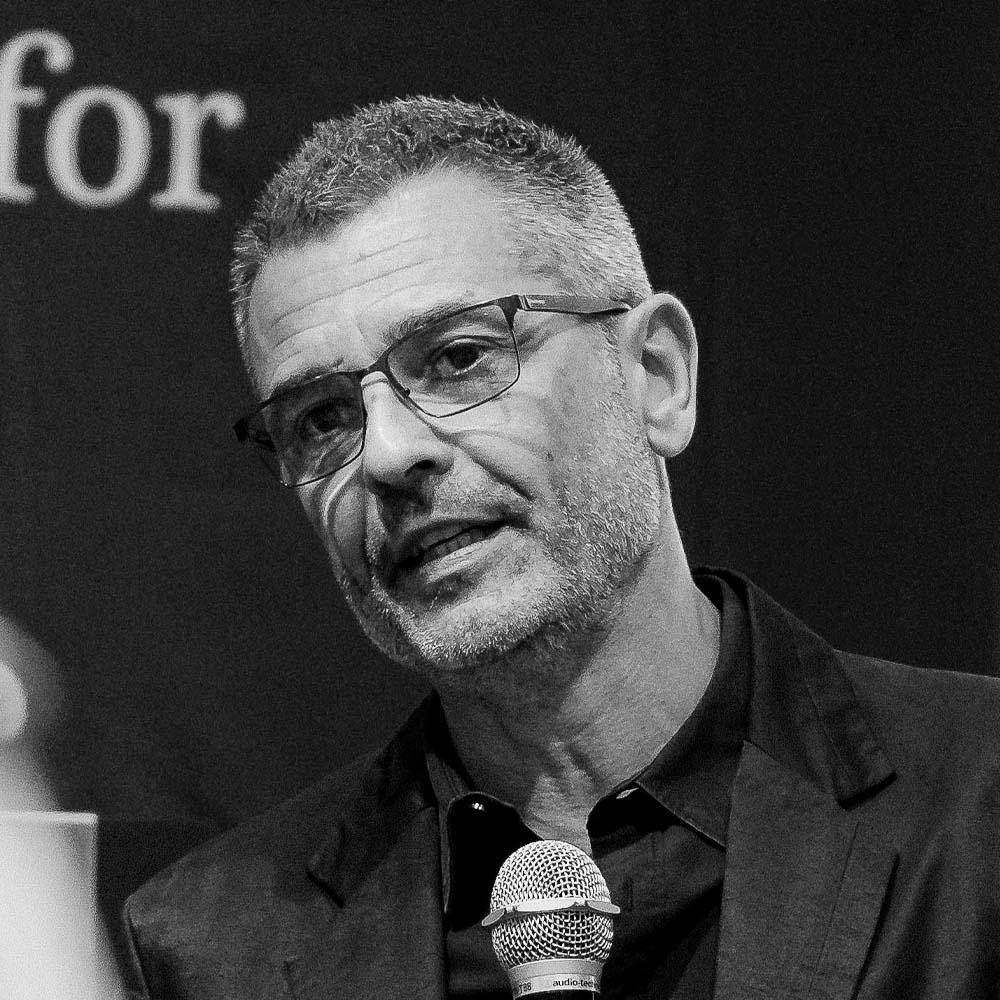
  • Umberto Ansaldo
    Umberto Ansaldo
    VinUniversity, Vietnam
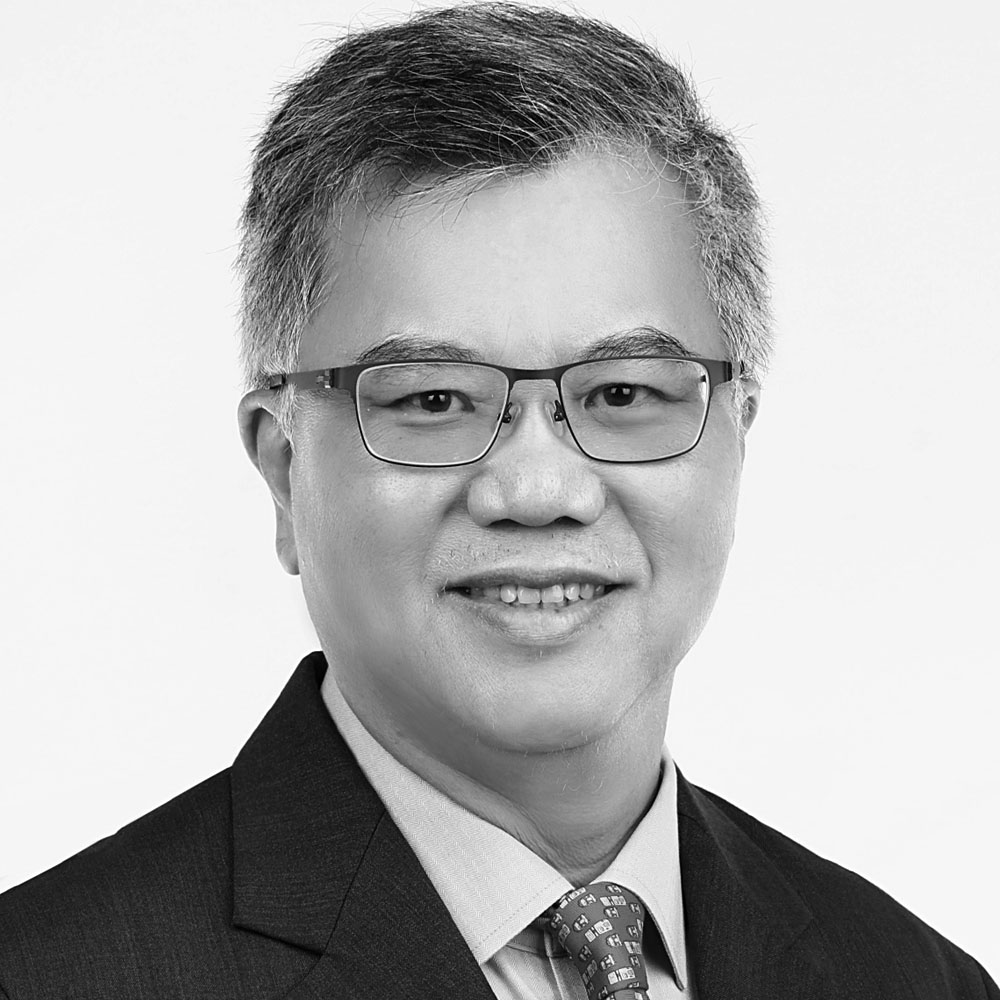
  • Jervais Choo
    Jervais Choo
    National Heritage Board, Singapore
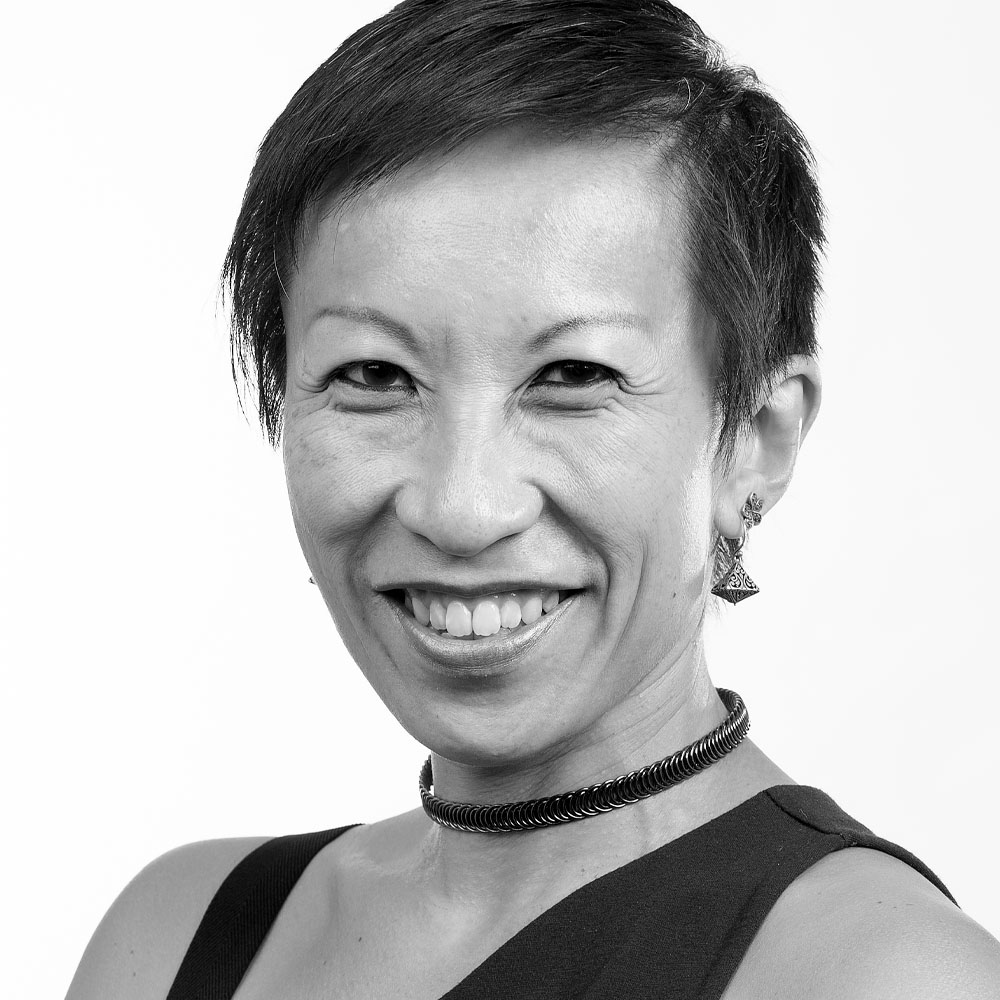
  • Philip Kwa
    Philip Kwa
    Asian Institute of Management, Philippines
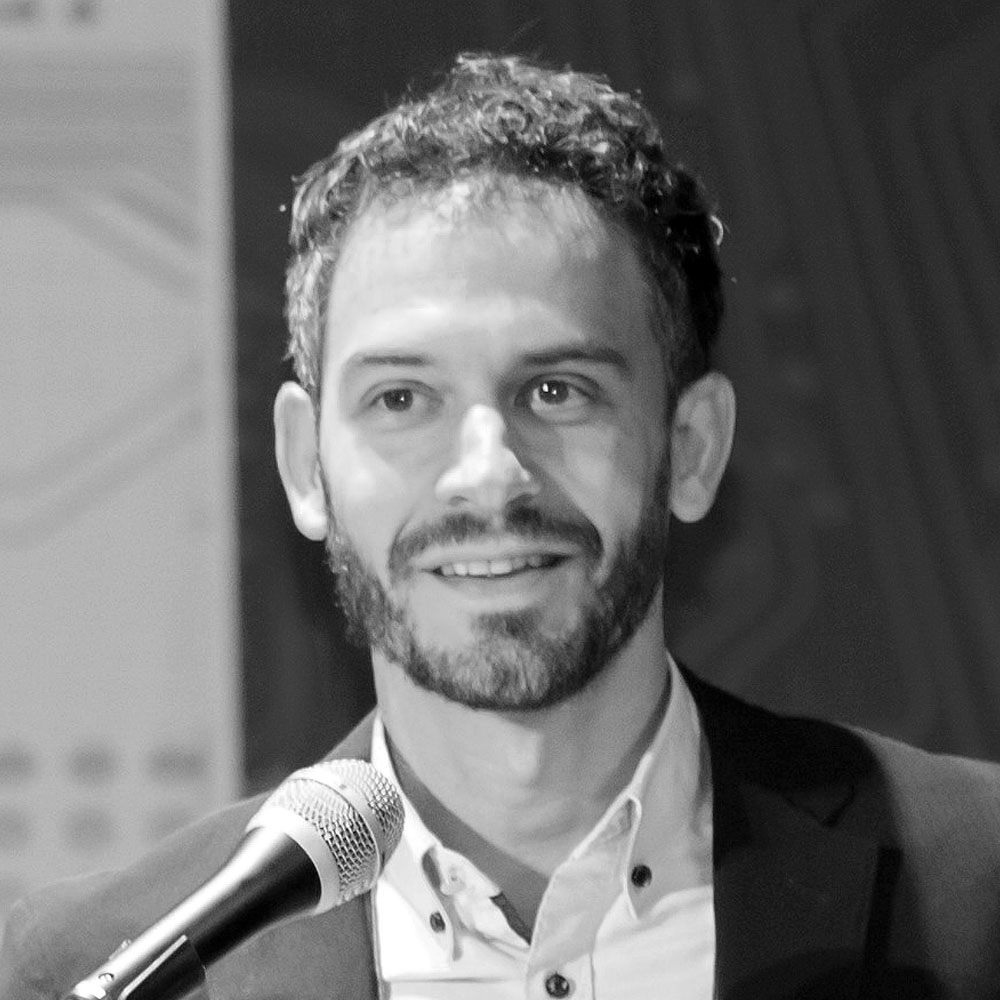
  • Ben Leong
    Ben Leong
    National University of Singapore, Singapore
  • Lisa Lim
    Lisa Lim
    Lisa Lim, VinUniversity, Vietnam
  • David Ocón
    David Ocón
    Singapore Management University, Singapore
  • Tim Winter
    Tim Winter
    National University of Singapore, Singapore

Become a Plenary Speaker

At IAFOR, we are committed to delivering exceptional conferences that inspire and challenge academics and professionals from around the world. Since 2009 over 50,000 academics have chosen to present their research at our conferences. To ensure we offer the best content possible, we rely on established plenary speakers to share their insights, experience, and ideas with our diverse audience.

Excellent plenary speakers are central to our conferences, ensuring that timely, innovative and engaging content is presented to our audiences around the world. If you would like to be considered for a speaking slot at one of our conferences, please apply below.

Umberto Ansaldo
VinUniversity, Vietnam

Biography

Dr Umberto Ansaldo is Professor of Linguistics and Dean of the College of Arts and Sciences at VinUniversity, Vietnam. As a linguist, he specialises in research on languages of Asia from a comparative and historical perspective. His publications advance an evolutionary framework of language contact that highlights the role of multilingualism and variation in language change. He previously worked in language documentation and researched endangered contact languages of the Indian Ocean.

As an educator, Professor Ansaldo has long promoted a student-centred, innovative, and interdisciplinary pedagogical philosophy. In his current role as Dean, he represents a governance style that emphasises meritocracy and transparency and fosters a culture of empathy and belonging. Away from work, Professor Ansaldo enjoys wining and dining and the practice of martial arts. He has lived and worked in many different countries prior to Vietnam, including Amsterdam, Singapore, Hong Kong, and Australia.

Professor Ansaldo serves on IAFOR’s International Academic Board.

Panel Presentation (2026) | Heritage for Cultural Dialogue: Digital Futures and Shared Memory
Jervais Choo
National Heritage Board, Singapore

Biography

TBA

Panel Presentation (2026) | Heritage for Cultural Dialogue: Digital Futures and Shared Memory
Philip Kwa
Asian Institute of Management, Philippines

Biography

Philip Kwa has more than 20 years of broad global working experience across multiple corporate and entrepreneurial environments. He has held key roles as CEO, CFO, Sales and Marketing Head, as well as Strategic Consulting Director, demonstrating a versatile skill set and adaptability to a diverse range of sectors.

He is currently the incoming Academic Program Director for the Master of Cybersecurity programme at the esteemed Asian Institute of Management, Philippines.

Professor Kwa’s main areas of focus include cyber security training and exercises, cyber risk and governance assessment, business process transformation, factory automation, and entrepreneurship.

In addition to his hands-on experience, he holds an MBA from the University of Hull, United Kingdom, an SMU-SID Diploma in Directorship, a NUS-ISS Post Graduate Diploma in Knowledge Engineering, and a Bachelor of Commerce from the University of Western Australia. Professor Kwa’s additional professional certifications include CISSP, CISM, PMP, Practitioner Certificate in Data Processing, and Certified Accountant status.

The Forum (2026) | TBA

Ben Leong
National University of Singapore, Singapore

Biography

Dr Ben Leong is an Associate Professor of Computer Science at the School of Computing, National University of Singapore (NUS), Singapore. Dr Leong received his SB, MEng, and PhD degrees from the Massachusetts Institute of Technology (MIT), United States. He has been recognised for his excellent teaching with a number of teaching awards, including the NUS Outstanding Educator Award in 2015. Dr Leong also served as the Chair of the university’s Computer Science Department Standing Teaching Committee from 2017 to 2020. His research interests are in the areas of Computer Networking and Distributed Systems. More recently, he has been working on applying AI for education.

From July 2014 to June 2019, Dr Leong served as the Director of the Experimental Systems and Technology Laboratory at the Ministry of Education (MOE). In this role, he set up and managed an in-house software development team that successfully delivered a number of applications for MOE. In addition, Dr Leong served as a consultant to the Student Learning Space (SLS) team that built a new learning management system for MOE schools.

From January 2021 to December 2023, Dr Leong set up and served as Director of the Centre for Computing for Social Good & Philanthropy (CCSGP) at School of Computing (SoC). Since 2020, Dr Leong has served as Chief Data Officer of AI.SG, the national AI Programme, and concurrently as Director of the AI Centre for Educational Technologies (AICET), where his team applies AI to build software platforms for education.

Keynote Presentation (2026) | TBA

Lisa Lim
Lisa Lim, VinUniversity, Vietnam

Biography

Dr Lisa Lim is Director of Engagement and Development for the UNESCO Chair in Environmental Leadership, Cultural Heritage and Biodiversity at VinUniversity, Vietnam. She previously held professor positions at universities in Singapore, Hong Kong, Amsterdam, Sydney, and Perth.

Her interests centre on language contact and evolution, particularly Asian multicultural ecologies; issues of language shift, endangerment, revitalisation, postvernacular vitality, and intangible cultural heritage of minority and endangered language communities; the sociolinguistics of globalisation; and environmental linguistics. Her books include Languages in Contact (Cambridge University Press, 2015) and The Multilingual Citizen: Towards a Politics of Language for Agency and Change (Multilingual Matters, 2018), which was shortlisted for the BAAL Book Prize. Passionate about engagement and impact, Dr Lim’s Knowledge Exchange grants at the University of Hong Kong supported student-led research on linguistic minorities in Hong Kong. For this body of work, she won a Knowledge Exchange award, was featured in Time Out HK, and pitched at a TEDxWanChaiWomen Open Mic event. She is currently a consultant for the Oxford English Dictionary and has been writing a fortnightly ‘Language Matters’ column in Hong Kong’s South China Morning Post since 2016.

Panel Presentation (2026) | Heritage for Cultural Dialogue: Digital Futures and Shared Memory
David Ocón
Singapore Management University, Singapore

Biography

Professor David Ocón is an interdisciplinary cultural anthropologist and historian who works on the intersections of Asian cultural heritage with preservation, AI and digitalisation, tourism, geopolitics, and sustainability. He also analyses cultural diplomacy and cooperation in the Asian region, particularly between China, Japan, South Korea, and the ASEAN countries, as well as with external parties like the EU.

Professor Ocón has over twenty years of experience in the arts, culture, and heritage sectors. As a practitioner, he has led departments within organisations such as the Asia-Europe Foundation (ASEF, Singapore), ENCATC (Belgium), and the Cervantes Institute (Beijing, China), where he was the Head of Culture.

He is currently affiliated with Singapore Management University, where he leads courses including Cultural Relations and Diplomacy in Asia, Urban Cultural Anthropology, and Cultural Heritage and Social Sustainability. He is also an associated faculty member within the School of Humanities at Nanyang Technological University, Singapore. His academic career includes previous positions at City University of Hong Kong, Hong Kong, and James Cook University, Australia, and for over a decade, he has been a visiting faculty member at the University of Barcelona’s International Cultural Cooperation and Management Postgraduate Programme. Professor Ocón has authored numerous book chapters and articles, published in renowned peer-reviewed journals such as Sustainability Science, AI & Society, The Hague Journal of Diplomacy, The International Journal of Heritage Studies, The Journal of Asian Public Policy, The Journal of Cultural Heritage Management and Sustainable Development, and the European Journal of Cultural Management and Policy, amongst others.

Panel Presentation (2026) | Heritage for Cultural Dialogue: Digital Futures and Shared Memory
Tim Winter
National University of Singapore, Singapore

Biography

Professor Tim Winter is Research Leader of the Inter-Asia Engagements Research Cluster at the Asia Research Institute, National University of Singapore. He is the Lead Investigator of the international research project Heritage Diplomacy; connecting histories and futures, (2026-2030; 3.9 Million SGD). Professor Winter has led the development of heritage diplomacy as a cross-disciplinary concept and introduced geocultural power to the analysis of international affairs. His recent articles on these topics appear in Geopolitics, International Affairs, International Journal of Cultural Policy, and Environment and Planning D. His most recent books are Geocultural Power: China’s Quest to Revive the Silk Roads for the Twenty First Century (University of Chicago Press, 2019) and The Silk Road: Connecting Histories and Futures (Oxford University Press, 2022). His current work addresses the re-emergence of civilisational discourses across Eurasia, and how this speaks to current debates about a shifting world order. Professor Winter currently holds an h-index of 33.

Panel Presentation (2026) | Heritage for Cultural Dialogue: Digital Futures and Shared Memory